


Before ordering custom silicone products, customers often ask one important question: what is the cost of a silicone mold? How do silicone mold manufacturers calculate the cost? Why do some quotes seem high, while others seem low? In this article, we will explore the factors that affect the cost of silicone molds, and provide you with some tips on how to save money.
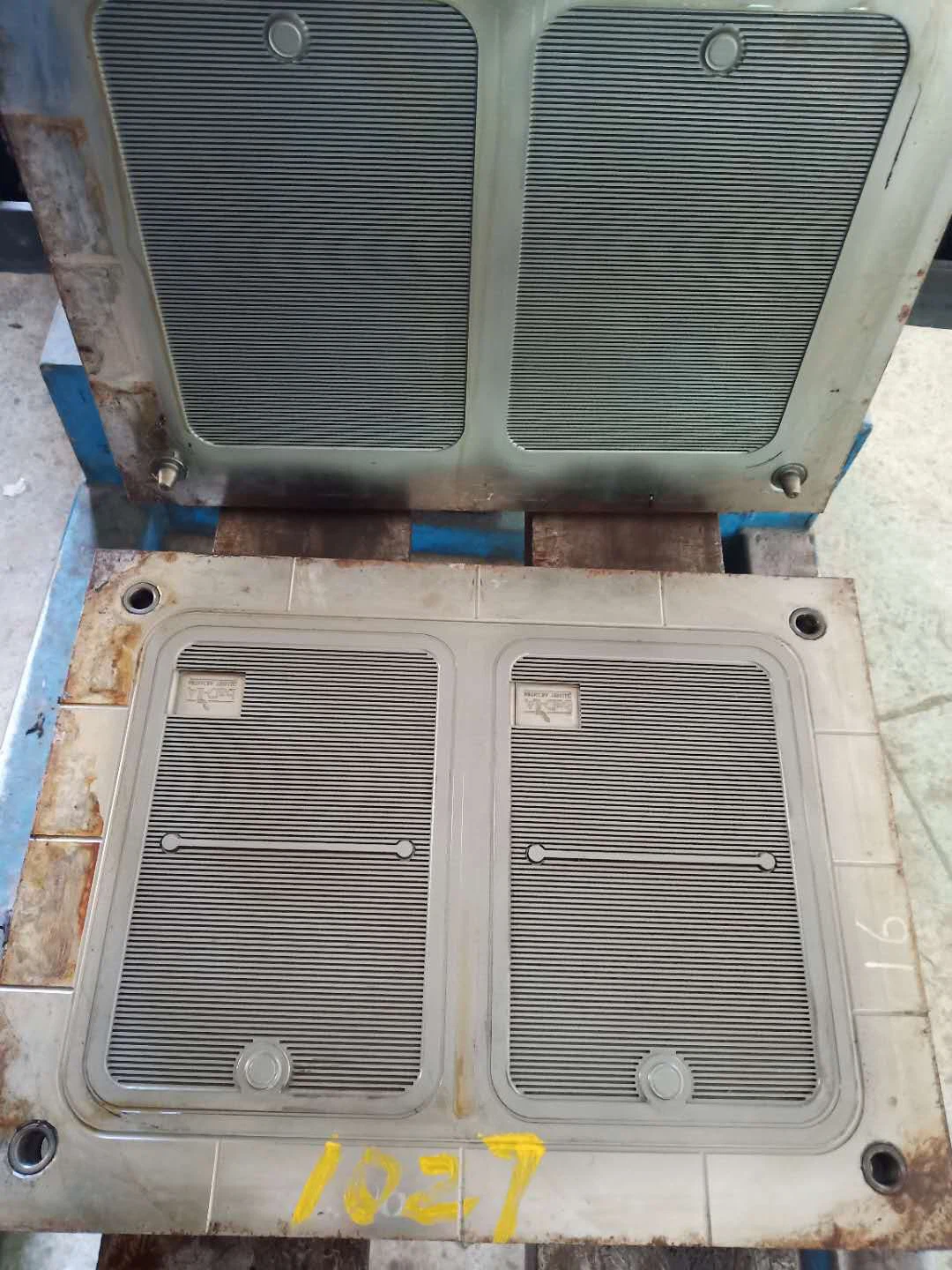
When you want to order a custom silicone product, you first need to create a mold. This is especially true if you want a product with a unique shape or design. The mold will be used to produce multiple copies of the product, so it needs to be accurate and durable. Making a mold involves several steps, including designing, fabricating, and testing. Let's take a closer look at each step:
Designing the mold
Before any physical work can begin on the mold, you need to provide the manufacturer with a 3D model or a physical sample of the product you want to make. You cannot simply give them a 2D drawing or image, as it will not provide enough detail. If you don't have a 3D model, the manufacturer may charge you for 3D printing or modeling services. The cost of 3D printing can vary depending on the complexity of the mold and the materials used.
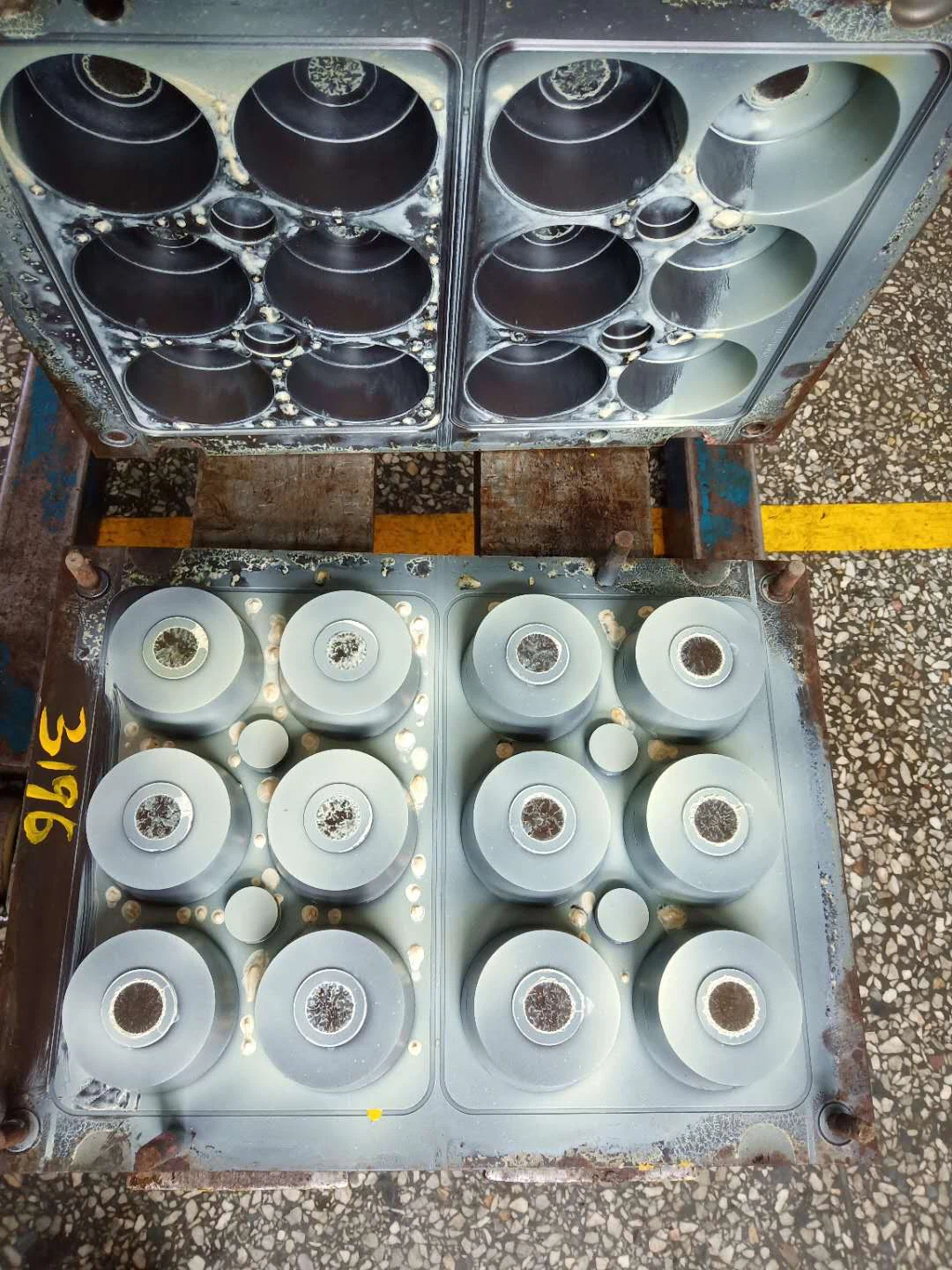
Fabricating the mold
Once the 3D model is complete, the manufacturer will use it to create the physical mold. This is done by 3D printing the mold or carving it out of a block of material like aluminum. The cost of this process can vary depending on the size and complexity of the mold. In general, molds for simple shapes are less expensive than those for complex shapes.
Testing the mold
Once the mold is fabricated, it needs to be tested to ensure that it creates high-quality products. There may be a few rounds of testing to tweak the mold design and make sure that the products are consistent. The cost of testing depends on how many rounds of testing are needed.
Additional factors that affect mold cost
Besides the three main steps listed above, there are other factors that can influence the cost of a mold. These include:
- The material used for the mold – aluminum and steel molds tend to be more expensive than silicone molds.
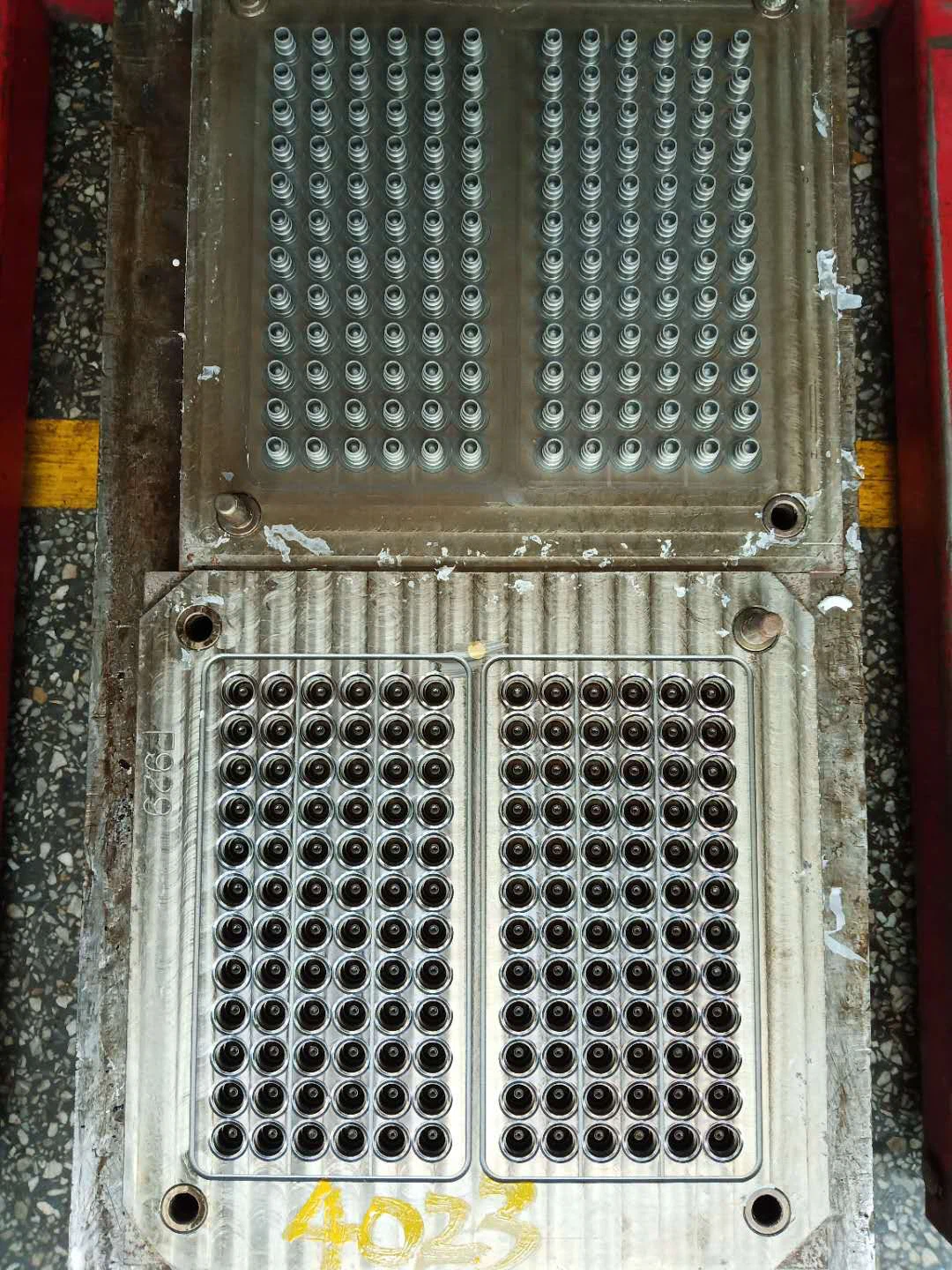
- The number of cavities in the mold – the more cavities there are, the more expensive the mold will be.
- The type of product being made – products that require a high level of precision or have complex shapes will require more expensive molds.
How to save money on mold costs
If you want to save money on mold costs, here are some tips:
- Provide a detailed 3D model of your product.
- Keep the shape of your product simple.
- Request a single-cavity mold instead of a multi-cavity mold.
- Use silicone molds whenever possible, as they tend to be less expensive than aluminum or steel molds.
Conclusion
In conclusion, the cost of a silicone mold depends on many factors, including the complexity of the product, the number of cavities, the type of material used, and the testing required. By understanding these factors, you can work with the manufacturer to create a mold that fits your budget. With the right approach, you can get high-quality silicone products at a reasonable cost.
When choosing a manufacturer, it is important to consider the benefits of long-term cooperation. Generally, manufacturers offer refunds for tooling costs to customers who have large orders and maintain a long-term relationship with them. Additionally, long-term cooperation may also lead to free tooling benefits.
Therefore, it is crucial to choose the right manufacturer at the beginning of the partnership. Working with the right manufacturer can ensure a smoother and more efficient cooperation, which will ultimately result in cost savings and more benefits.
Moreover, other factors should also be considered when selecting a manufacturer such as production capacity, quality control, and lead time. Production capacity is essential as it determines if the manufacturer can fulfill the order on time. Quality control ensures that the produced items are up to standard, which is necessary to avoid any potential loss for the customer. Lead time is also a crucial factor in manufacturing as it determines how quickly the client can receive the goods.

In conclusion, it is vital to choose the right manufacturing partner in order to have a successful and long-term cooperation. A well-thought-out partnership will lead to cost savings, benefits, and a smoother overall process.


